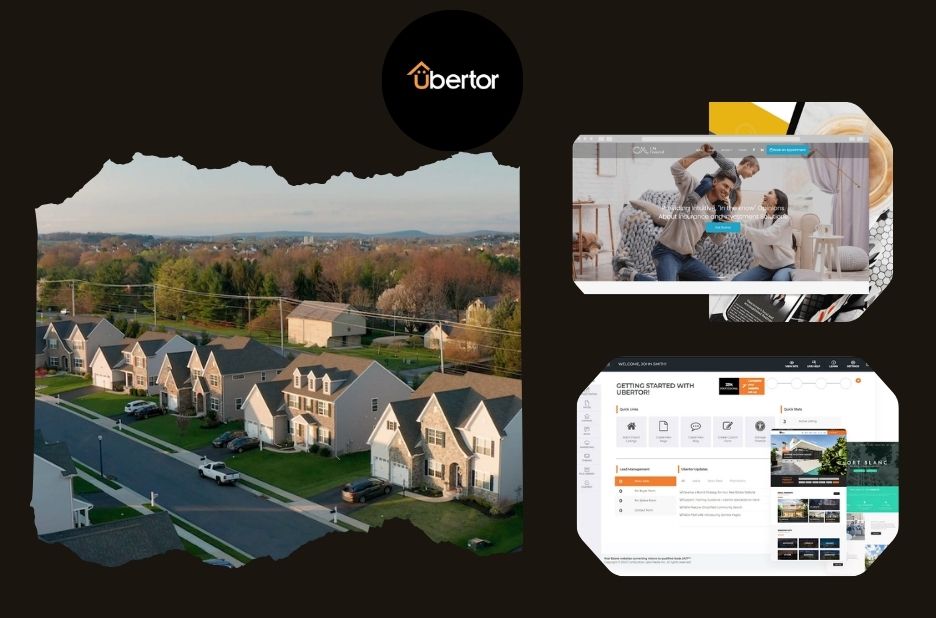
Strategic web planning for agents
In the real estate market, a strong online presence begins with a clear plan that aligns business goals with user needs. A well-crafted website design framework guides visitors from discovery to action, using intuitive navigation, fast loading times, and accessible information. Start with a sitemap that mirrors how Real Estate Web Design buyers and sellers search for property, then layer in high quality visuals, compelling property descriptions, and transparent contact points. This approach reduces bounce rates and builds trust, setting the foundation for ongoing growth without overwhelming users with features they won’t use.
Visual storytelling that drives engagement
Photography, video tours, and lifestyle imagery are not just cosmetic — they are essential storytelling tools. Real estate listings benefit from consistent image quality and captions that convey key details. A design that supports generous white space, Real Estate Website Design legible typography, and responsive galleries helps visitors stay engaged and compare options more efficiently. Thoughtful visuals paired with concise microcopy can translate readers into inquiry clicks and showroom visits with minimal friction.
Performance and accessibility matters
Site speed and accessibility influence both user experience and search visibility. Optimized assets, lazy loading for media, and clean code reduce load times, while semantic markup and keyboard navigability broaden access for all users. A practical approach emphasizes concise page templates, predictable interactions, and reliable forms that work across devices. When performance meets accessibility, visitors feel confident in taking the next step with your team.
Lead capture and conversion optimization
An effective real estate platform balances rich content with strategic conversion points. Prominent contact options, simple inquiry forms, and gated resources encourage engagement without adding friction. Personalization can be subtle — a recent viewed listings panel or location-based suggestions — but must respect privacy. Clear CTAs, trust signals, and mortgage calculators can extend the value of each visit while maintaining a clean, easy-to-navigate interface.
Real Estate Web Design
Real Estate Website Design strategies focus on reliability, clarity, and measurable outcomes. Your design choices should support property discovery, neighborhood context, and transparent pricing or commission information. By prioritizing robust search features, map integrations, and mobile-friendly experiences, agencies can attract qualified leads and convert them into clients. Continuous testing and clean analytics help refine layouts and messaging over time, ensuring the site adapts to changing market dynamics.
Conclusion
Ultimately, a practical Real Estate Web Design approach merges user-centered usability with strong performance, delivering a site that converts without complicating navigation. Real estate teams can leverage this framework to showcase properties effectively, nurture prospects, and close deals with confidence. Combustion Labs Media Inc. recognizes the value of steady, data-informed improvements as markets evolve and technology advances, helping agencies stay relevant and competitive in a crowded digital landscape.