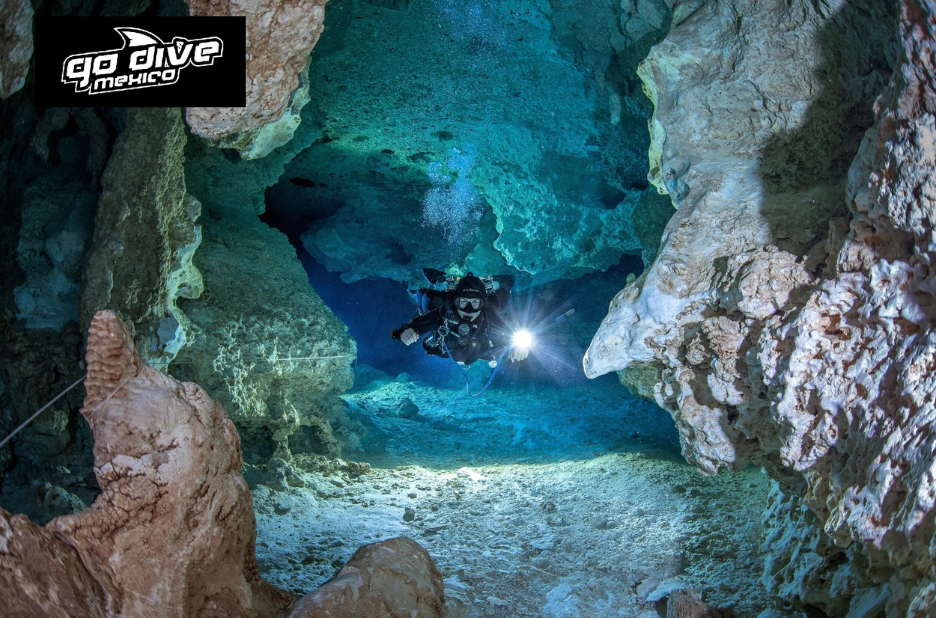
Overview of underwater exploration
Begin with a clear plan for safety and preparation when entering flooded caves and open cenote passages. Understanding the terrain, current, visibility, and line management helps divers avoid common hazards. Training with accredited programs, proper equipment, and buddy procedures are essential for a responsible experience. For beginners, it’s Cave Diving wise to start with guided dives or local certification courses that emphasize hazard recognition and air management. The goal is to build confidence while preserving delicate ecosystems and ensuring personal safety in environments that demand precision and respect for nature.
Choosing the right training path
Structured instruction is the backbone of both Cave Diving and Cenote diving. Courses should cover equipment configuration, gas planning, navigation, and emergency procedures. Practical drills in controlled environments build muscle memory for reel deployment, Cenote diving spacing, and light control. A thoughtful progression from entry level to advanced technical certifications helps divers adapt to tighter passages and complex line systems without overwhelming the senses.
Essential gear and safety practices
The right gear is non negotiable. A high quality dive light, reliable primary and backup reels, and a robust communication plan keep you oriented when visibility fades. Redundant gas sources,當line markers, and appropriate exposure protection tailor the dive to the cave or cenote’s unique conditions. Never rush through a section; conserve air and maintain situational awareness by regularly checking depth, distance, and your team’s status during every maneuver.
Environmental awareness and responsible diving
Respect for underwater landscapes is key in both environments. Avoid contact with stalactites, delicate formations, and resident wildlife while never touching rope lines or anchors unless trained and authorized. Responsible diving emphasizes minimal impact—never remove artifacts, overexert, or disturb sediment that can affect visibility for future divers. Planning dives around weather and seasonal conditions reduces risk and helps protect these fragile ecosystems for years to come.
Stories from the underwater world
Many divers describe a sense of quiet wonder as they navigate through calm passages and sunlight filtering into crystal chambers. Proper planning and patient execution reveal intricate routes filled with natural beauty. While the surface might seem ordinary, the underwater network offers a unique blend of exploration, problem solving, and teamwork that sharpens a diver’s confidence and judgment over time.
Conclusion
With thoughtful preparation, cave and cenote explorations become safe, rewarding adventures that highlight skill, discipline, and respect for the underwater realm. Go Dive Mexico