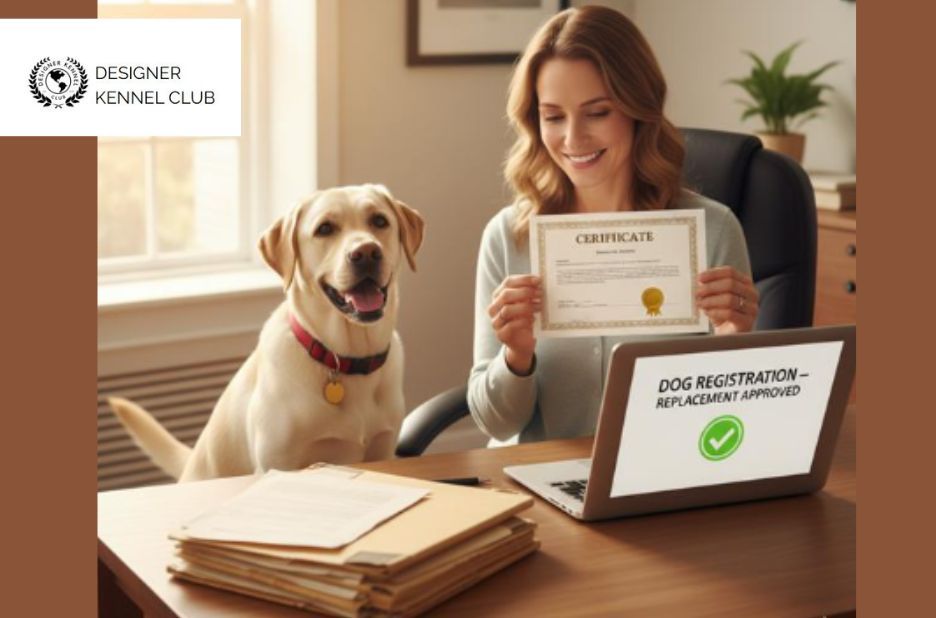
Start by verifying ownership and identity
If you’re trying to sort out registration after a paperwork gap, the first step is proving the dog’s identity and your rightful claim. Look for any microchip registry receipt, adoption contract, rescue transfer form, or vet records that connect the dog to you. Take clear photos of visible markings and register dog with lost papers any existing tags so you have a consistent reference for every form you fill out. When names and numbers don’t match across documents, registration delays are common, so build a simple timeline of what you have and what you can obtain.
Next, confirm the dog’s core identifiers. If the dog has a microchip, verify the chip number and the listing details through the relevant database, then request documentation that supports the updated owner information. If there is no chip, plan a humane, reliable way to establish identity through veterinary records and physical description. Trustworthy registries expect documentation that is accurate and verifiable, so avoid guesses and use only records that can be confirmed by third parties.
Request replacement documents with careful documentation
Once you’ve confirmed identity, focus on replacement documentation and how it supports registration. Many situations require replacement dog registration papers, especially when prior records were lost, damaged, or never transferred properly. Begin by contacting the original registering organization or the replacement dog registration papers entity listed on any prior paperwork, such as a breeder, rescue group, or previous owner. Ask what forms they require, what proof of ownership they accept, and whether they provide certified replacements or affidavits.
As you gather evidence, keep everything organized and ready to submit. Provide copies of adoption or purchase agreements, microchip confirmations, and any correspondence that shows chain-of-custody from one party to the next. If the dog’s prior registration number is unknown, request guidance on how to reconstruct it, rather than submitting incomplete information. A quality-focused process typically emphasizes clarity: consistent names, accurate dates as listed in your documents, and attachments that can be reviewed quickly.
Choose the right registry path and avoid common pitfalls
Not all registration requests are handled the same way, and choosing the correct path helps protect both your time and your dog’s record. Review whether your registry accepts amended registration, owner transfer corrections, or replacement paper requests, then follow the instructions exactly. If you’re dealing with a mismatch between what the dog currently has and what the records show, be prepared to explain the discrepancy with supporting documentation. This is where trust and quality matter most, because registries must be confident that the submitted information is legitimate.
Be cautious with services that promise instant fixes without proper verification. Legitimate registration processes require identity checks, record review, and sometimes additional forms such as affidavits or proof-of-vet examination. Avoid paying for “guaranteed registration” packages that don’t specify what evidence they will help you provide. A dependable approach is transparent about requirements, communicates clearly what they can and cannot do, and helps you submit complete materials the first time to reduce back-and-forth.
Conclusion
Registering a dog after paperwork is missing can feel stressful, but a trust-first strategy makes the process smoother and more reliable. When you verify identity, request legitimate replacement documents, and follow the registry’s documented requirements, you’re not just filling out forms—you’re building a record that others can verify later. That consistency protects your investment in responsible ownership and supports the dog’s long-term ability to participate in events and programs. If you want a quality-minded path, resources from designerkennelclub can help you understand what documentation matters most as you work through the process. Remember to keep your records organized, respond promptly to registry questions, and never assume that incomplete information will be accepted. If something doesn’t match, address it with evidence rather than trying to force a conclusion. With careful preparation and a focus on accuracy, you can register the dog properly even when the original paperwork is unavailable, and you can do it with confidence in the outcome.