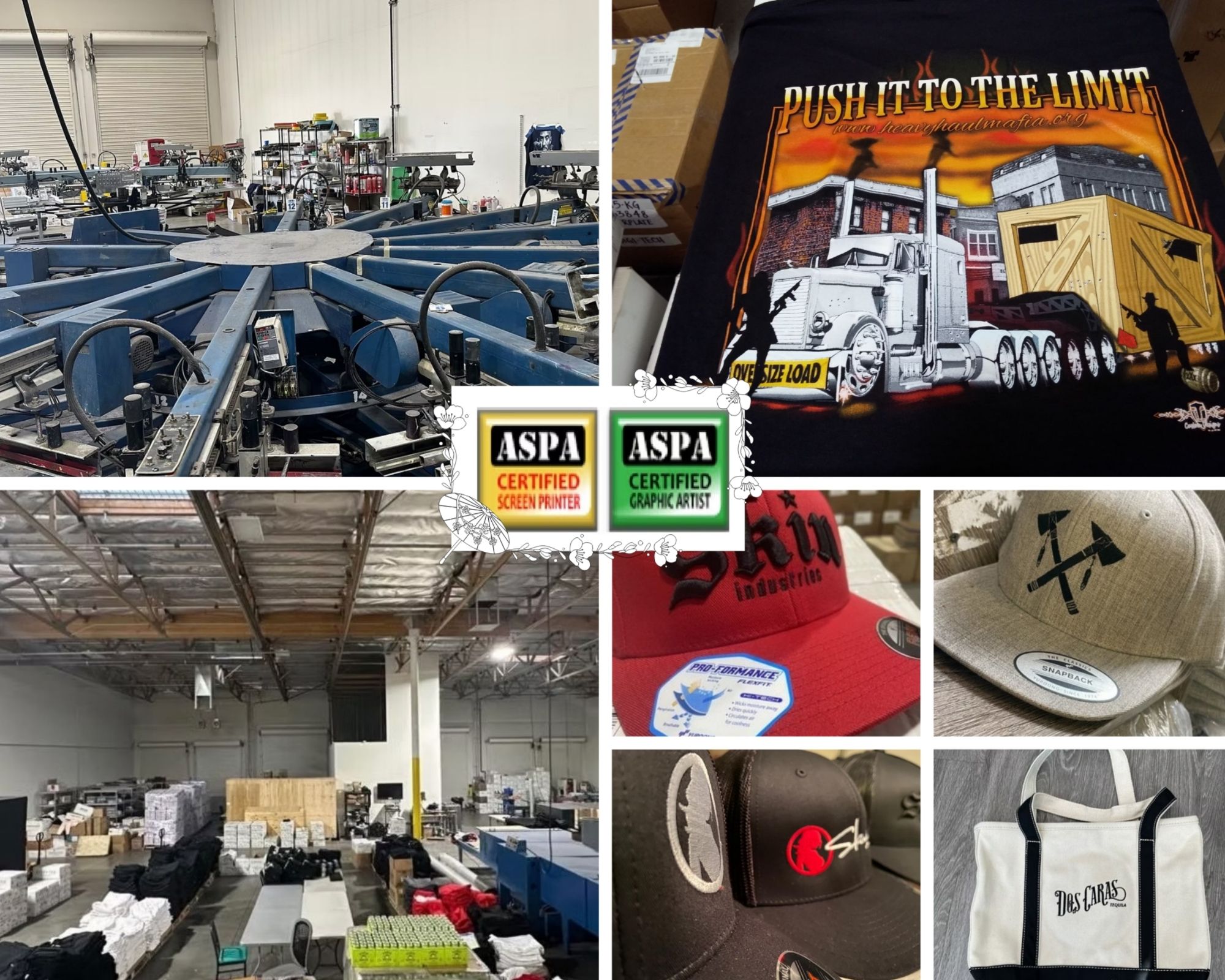
Overview of print methods
When choosing between direct to garment and traditional processes, it helps to understand how each technique works and where it shines. Both can produce vibrant visuals on apparel but differ in setup, cost, and scalability. DTG offers high-detail prints with subtle gradient shading, especially on cotton fabrics, while screen printing DTG vs screen printing services can deliver bold, durable colours on larger batches. The choice often hinges on design complexity, volume, and your brand’s sustainability goals. For artists starting out, experimenting with a few tees can reveal which approach aligns with visual intent and budget constraints.
Quality and detail considerations
Detail fidelity is a common factor when evaluating DTG vs screen printing services. DTG supports photo-realistic imagery and fine lines thanks to advanced inkjet heads, but soft hand feel and colour vibrancy may vary with garment colour and ink chemistry. Screen printing tends to yield punchier colours with strong durability, yet halftones and gradients can be limited by mesh counts and ink compatibility. Thorough testing on your chosen fabrics helps forecast end results before a full run.
Costs and production pace
Budget and speed are critical in production planning. DTG generally has lower setup costs and is economical for small runs or custom designs where single pieces are needed, yet unit prices rise with quantity. Screen printing incurs higher setup time due to screens and colour separations, which pays off in per-unit savings on larger orders. If you anticipate frequent design changes, digital methods provide flexibility, while traditional routes excel when volumes are predictable and consistent.
Weathering and durability of prints
Long-term wear, wash durability and fabric feel influence satisfaction with either method. DTG prints can remain vibrant on light fabrics after multiple washes, but wear may differ on blends or darker bases. Screen printed items generally hold up well through extensive washing and tumble-drying, with the ink layer being more robust on higher-contrast designs. Understanding fabric composition and aftercare guidelines supports a longer-lasting garment shelf life.
Practical considerations for choosing
Practical decision making combines artwork, order size, and your operational capabilities. If you need rapid prototyping with frequent design changes, DTG vs screen printing services can be evaluated by small pilot orders to observe real-world results. Consider the total cost per unit, turnaround expectations, and the environmental impact of inks and processes. Your final choice should align with brand goals, customer expectations, and the logistics of your printing partners. kottonkings
Conclusion
When weighing DTG vs screen printing services, think through the artwork needs, volume, and long-term goals. Each method has its strengths, and many brands pair both approaches to match different product lines. For sustainable operations and reliable quality, it helps to test, compare samples from trusted providers, and document feedback from customers to refine your production strategy. kottonkings