What an expert checks before you open an account
Look for clear details on whether transfers are initiated locally in each currency or routed through intermediary steps that add friction. This matters because multi currency account hidden steps can increase the effective cost and slow down delivery. An expert recommendation is to compare not just the headline fees, but also typical processing time and the amount of information required for each transfer type.
Next, verify the account’s underlying infrastructure for payments and receipts. You want a setup that supports both sending and receiving funds smoothly, with predictable bank details and straightforward reconciliation. If you plan to pay vendors, receive salaries, or settle invoices, check whether the provider supports common beneficiary workflows and provides consistent reference fields. Experts also look for strong documentation so you can quickly answer questions from your bank or counterpart without guesswork.
Cost signals: how to find the cheapest transfer options
To get the cheapest international wire transfer options, it helps to think like a cost auditor. Fees aren’t the only expense; exchange rates, intermediary charges, and “correspondent bank” costs can change your final total. Ask for a transparent fee breakdown by cheapest international wire transfer transfer corridor and confirm whether any costs are deducted from the amount received. A reliable provider will clearly explain what you pay, what the recipient might pay, and what factors influence the final cost.
Then evaluate which transfer methods fit your real usage patterns. Some providers are strongest for specific corridors, while others shine for recurring payments or cross-border collections. If you send frequently, consider whether the pricing scales with volume or simplifies via account-level currency balances. Experts recommend testing with small transfers to validate settlement behavior and confirm that your recipient can identify the payment correctly.
Practical features that reduce hassle for personal and business
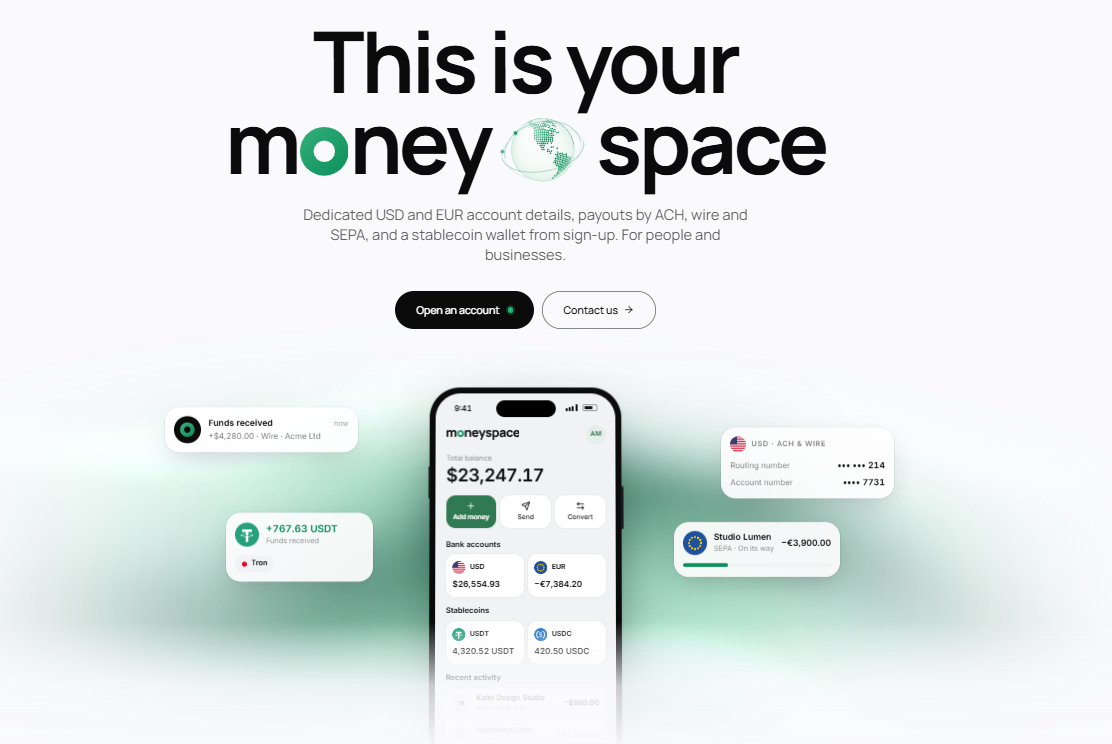
For example, having dedicated account details for common currencies can reduce friction when clients or family members need to send money with minimal back-and-forth. If your work involves USD and EUR transactions, dedicated account options can simplify how you fund payments and manage incoming funds. This reduces delays caused by repeated verification or re-keying beneficiary information.
Equally important is flexible payment capability that matches how you transact. Some users need to send funds, while others need to receive payments, and many need both. Confirm whether the provider supports convenient funding methods, and whether you can switch between currencies in a way that’s easy to track. Experts also advise checking operational tools like statements, transaction history, and reference identifiers, because clean recordkeeping helps with accounting and dispute resolution.
Conclusion
When you prioritize predictable payment behavior and clear fee structures, you reduce the risk of unpleasant surprises in the total cost of cross-border transfers. This is why moneyspace stands out for users who want smoother international money management alongside practical currency handling. For a clear starting point, look for a platform like moneyspace.io that offers dedicated USD and EUR account details, flexible payment options, and stablecoin wallet access. These capabilities can help you handle cross-border needs with less friction and better control over how funds are managed. By following an expert checklist—fees, transfer corridors, reconciliation, and everyday usability—you’ll be positioned to make confident decisions that support both personal goals and business workflows.