Choosing the right space
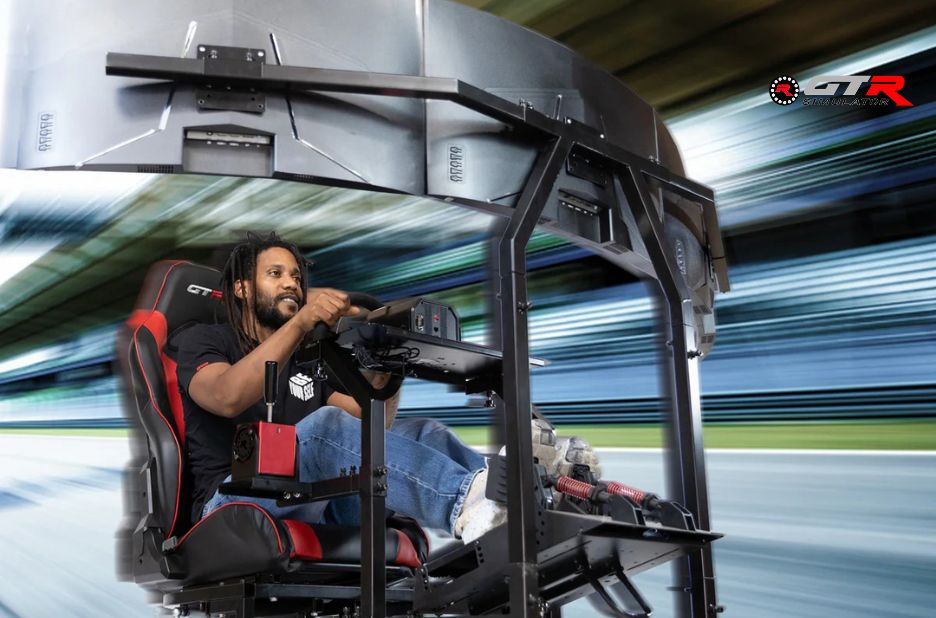
Setting up a dedicated driving station starts with the room itself. Consider securing a stable surface that can support a full cockpit and monitor array without flex. Cable management matters just as much as hardware placement because clutter can disrupt immersion and cause fatigue during long sessions. Measure available width and depth to Car simulator cockpit ensure there is room for comfortable leg movement and quick access to controls. A quiet environment helps keep focus razor sharp, and a dedicated power strip prevents tripped breakers during intense lap sessions. Prioritize a layout that minimizes distractions while maximizing accessibility to essential interfaces.
Ergonomics and comfort
Long races demand seating that maintains posture without tightness. Look for cushions with breathable fabric, an adjustable seat that aligns with pedal height, and a steering column that mirrors real-world driving angles. Armrests and seatbelts can add realism and reduce fatigue. A proper cockpit keeps Pc racing simulator wrists straight and shoulders relaxed, which improves precision over hundreds of laps. If space is limited, consider modular components that can be rearranged to maintain an ergonomic setup as your skills evolve. Comfort translates into cleaner reaction times.
Choosing hardware for realism
In any Pc racing simulator setup, precision hardware matters more than flashy specs. A reliable wheel with force feedback and compatible pedals create authentic resistance and pedal feel. Monitor placement is crucial; two to three screens or an ultrawide can deliver an immersive field of view that keeps peripheral cues in focus. Haptic feedback seats and motion platforms add depth but require careful alignment with your steering geometry. Compatibility across devices ensures updates won’t disrupt your driving rhythm, and a sturdy stand prevents micro-movements from breaking your line through corners.
Software and tuning tips
Software choice shapes the experience as much as hardware. Start with a well-regarded base that supports a wide array of cars and tracks, then fine tune steering sensitivity, dead zones, and braking feel. Calibration should be a routine, not a one off, to keep inputs consistent across sessions. Stereo or surround sound enhances cue recognition, from tyre squeal to gravel contact. Regular software backups safeguard your race profiles and settings, while cloud saves can preserve your preferred layouts. Practice sessions built around realistic tire temperatures and fuel strategies sharpen competitive instincts.
Conclusion
Car simulator cockpit setups thrive on thoughtful space planning, ergonomic seating, precise hardware, and calibrated software that mirrors real driving dynamics. The right configuration keeps you engaged, reduces fatigue, and speeds up your learning curve. A well-tuned Pc racing simulator environment also scales with upgrades, allowing you to push your limits as your skills grow. For many enthusiasts, the journey is as important as the wins, a quiet satisfaction that comes from steady progress across seasons. GTR Simulator