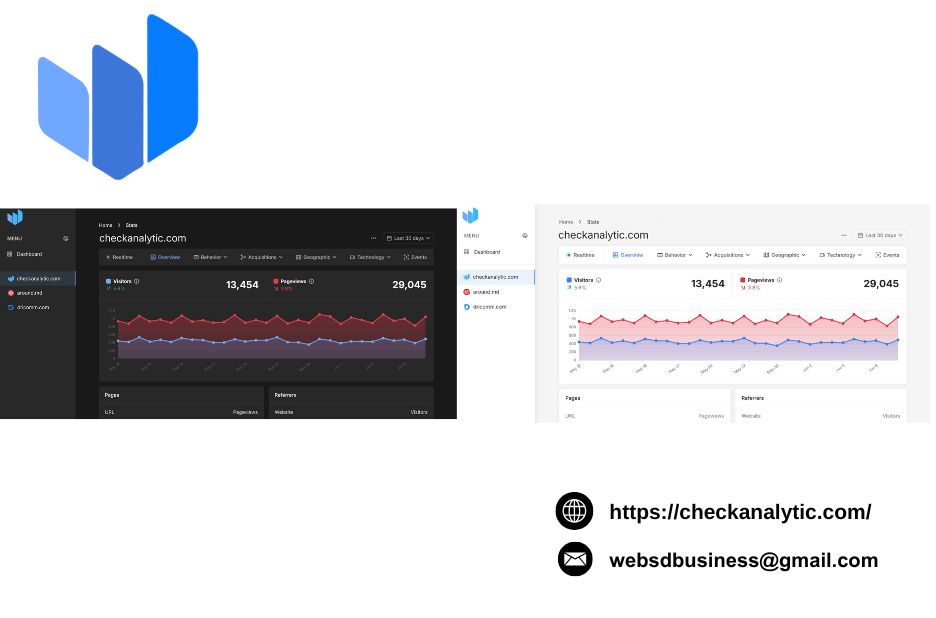
Overview of analytics for SaaS success
Analytics for SaaS websites is not just about numbers; it’s a disciplined approach to understanding user journeys, product value, and revenue potential. Start with a clear measurement plan that links user actions to business outcomes. Identify key stages from awareness to activation and retention, then select analytics for SaaS websites metrics that reflect each stage. A practical setup helps teams prioritise experiments, optimise onboarding, and forecast churn with reasonable accuracy. By focusing on actionable data, founders and teams can align product decisions with customer value and market needs.
Choosing the right data sources
To build reliable insights, gather data from your analytics platform, your product analytics, and your marketing stack. Combine web traffic signals with in‑app events, trial or freemium activity, and paid advertising performance. Ensure you have clean user identifiers, consent compliance, and robust event taxonomy. A well‑aligned data model reduces ambiguity, so dashboards tell a coherent story across marketing, onboarding, and product development, avoiding siloed conclusions that slow progress.
Measuring onboarding and activation
Onboarding and activation are critical touchpoints that determine early retention. Track steps users take during sign‑up, feature adoption, and first value delivery. Look beyond raw signups to gauge time‑to‑first‑value, conversion of trial users to paying customers, and momentum in the first week. Treat activation metrics as leading indicators that guide product tweaks, help desk responses, and in‑app messaging that clarifies benefits and reduces friction for new users.
Retention and engagement insights
Retention analytics reveal how often and why users return. Measure daily, weekly, and monthly active cohorts, churn rates, and usage depth across core features. Segmentation by plan tier, industry, or geographic region uncovers patterns that inform feature prioritisation and renewal strategies. Combine engagement signals with customer feedback to understand perceived value and to prioritise enhancements that extend lifetime value rather than chasing vanity metrics.
Experimentation and data governance
Data‑driven experimentation accelerates improvement cycles. Implement rigorous A/B testing, multivariate tests, and feature flags to validate hypotheses about onboarding changes, pricing, and messaging. Maintain data governance with clear ownership, versioned dashboards, and documented decisions. Regularly review data quality, align metrics with business goals, and iterate on measurement to sustain a culture where analytics for SaaS websites directly informs product choices and growth plans.
Conclusion
Leverage a practical framework that ties analytics to specific outcomes, ensuring every data point supports a decision. By orchestrating sources, on‑boarding insights, retention signals, and disciplined experimentation, teams can translate analytics for SaaS websites into tangible growth. Prioritise what matters, maintain data hygiene, and keep the focus on actions that improve value and retention for customers.