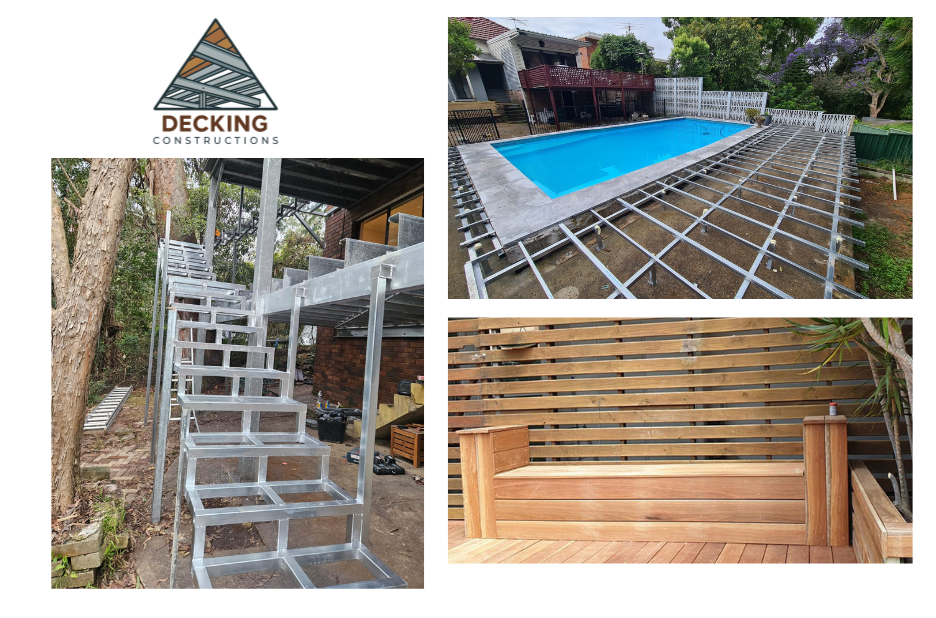
Overview of Steel Deck Systems
Light Gauge Steel Deck Framing offers a modern alternative to traditional wood framing, providing consistent dimensional stability, rapid on site assembly, and improved resistance to termites and rot. This approach blends metal studs and tracks with lightweight, corrosion resistant deck components to form a flat, strong substrate for a variety Light Gauge Steel Deck Framing of flooring and surface finishes. Builders appreciate how predictable panels and framing alignments reduce field adjustments and waste while maintaining structural intent. A careful plan recognizes material handling, moisture considerations, and compatibility with fasteners and connectors used in metal framing systems.
Design Considerations for Performance
When working with a light gauge steel deck system, designers focus on load paths, deflection limits, and the integration of subfloor assemblies. Accurate allowance for gravity and live loads ensures comfort and safety in occupied spaces. Software tools help model connections, track spacing, and verify code compliance. Engineers often specify corrosion resistant coatings for coastal or humid environments and set clear guidelines for compatible decking materials to maximize strength while keeping the assembly lightweight and economical.
Installation Best Practices
Installing deck framing with light gauge steel requires precise measurement, alignment, and secure fastening. Temporary bracing often aids during assembly to keep tracks plumb and panels square. Perimeter and interior supports must follow manufacturer specifications, with attention to nail or screw types that prevent corrosion or loosening over time. Field crews benefit from preassembled subassemblies, clear cut lists, and minimal on site adjustments, which translates into faster completion, fewer callbacks, and a cleaner finished floor plane.
Cost, Efficiency, and Longevity
Adopting Light Gauge Steel Deck Framing can reduce material waste and lead times thanks to standardized components and rapid installation. Although upfront costs may be higher than traditional wood framing, ongoing maintenance savings, improved fire resistance, and a longer service life can balance the budget over the structure’s lifetime. Planning for thermal bridging, ventilation, and insulation remains essential to ensure energy performance and occupant comfort without compromising the strength of the metal deck system.
Conclusion
Light Gauge Steel Deck Framing presents a robust path for modern construction, combining precision manufacturing with practical on site execution. By aligning material selection, installation practices, and performance expectations, projects achieve durable floor systems that meet code requirements with fewer surprises. Decking Constructions