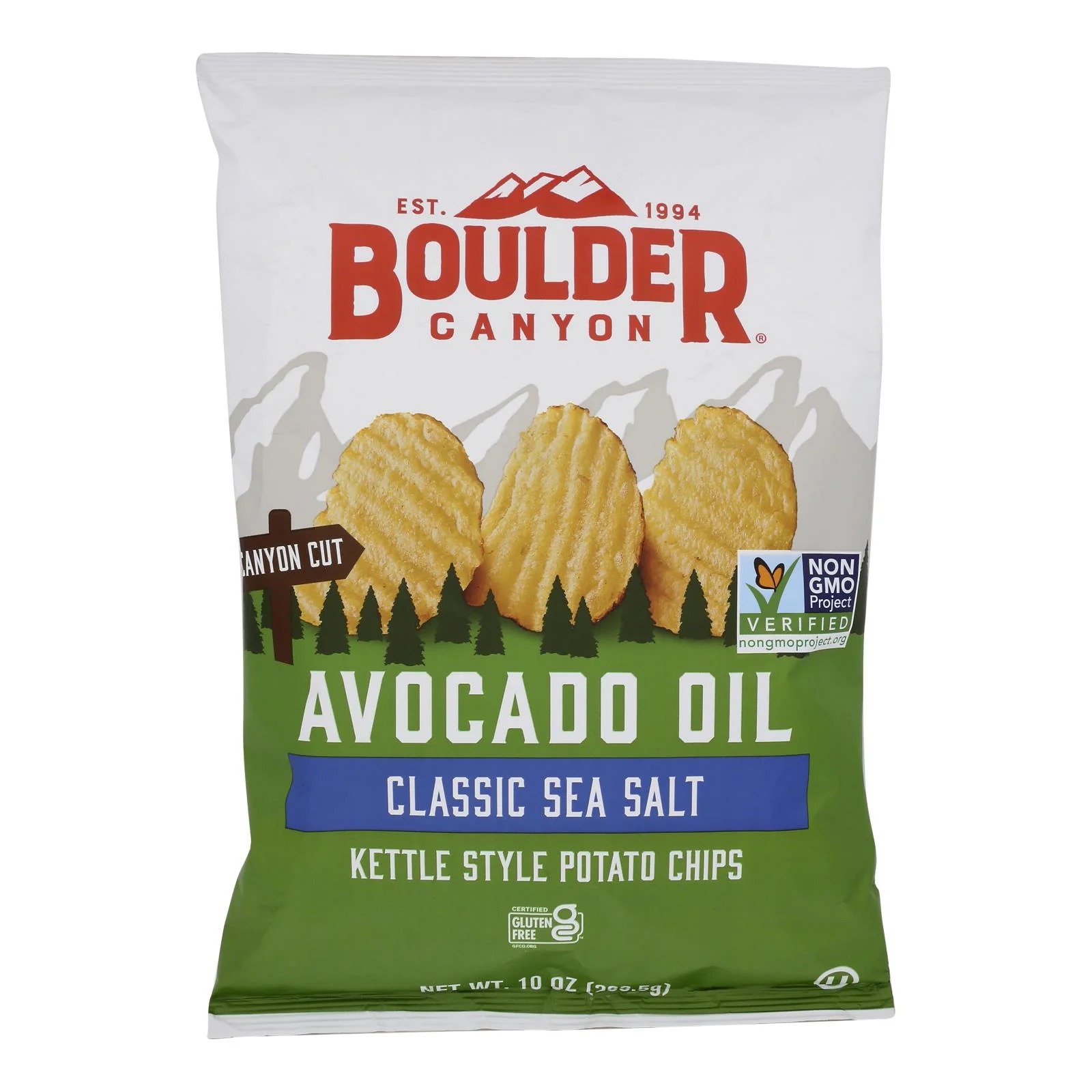
What to look for on the label
Start with the ingredient list, not the front-of-pack claims. A short list you can recognise usually means less processing and fewer fillers. Check added sugar, salt, and saturated fat per 100g so you can compare brands fairly. Watch for vague terms like “natural flavourings” if organic snacks you’re trying to keep things simple. If you have allergies, scan for may contain statements as well as bold allergens. Finally, consider portion size: single-serve packs can be useful, but they often cost more for the same product.
Balancing energy and satisfaction
A good snack should bridge the gap between meals without leaving you hungrier an hour later. Aim for a mix of protein, fibre, and healthy fats, which slows digestion and steadies energy. Nuts with fruit, yoghurt with oats, or hummus with veg sticks are reliable combinations. If you’re buying organic snacks, still check the nutrition panel; “organic” doesn’t automatically mean low sugar or high fibre. For active days, add carbs for quick fuel; for desk days, focus on protein and fibre to avoid mindless grazing.
Easy options for work and travel
Convenience matters, especially when you’re commuting or stuck in meetings. Keep a small stash in a drawer or bag: unsalted nuts, roasted chickpeas, oatcakes, or a couple of protein-forward bars. Choose items that won’t melt, crush, or leak. For longer journeys, pack a refillable bottle and a piece of fruit to reduce impulse buys at stations. If you often forget, set a weekly reminder to restock. Planning a few dependable options makes it easier to skip overpriced snacks that don’t actually satisfy.
Making snacks at home without fuss
Homemade snacks don’t need complicated recipes or special equipment. Batch a tray of spiced nuts, roast seeds, or bake simple oat slices and portion them into containers. Frozen berries and bananas make fast smoothies, while popcorn can be a high-volume option if you go light on butter and sugar. Keep staples visible: nut butter, plain yoghurt, tinned beans, and wholegrain crackers. The goal is to reduce friction, so you’re more likely to choose something nourishing when time is tight.
Shopping habits that save money
Set a loose plan before you shop: pick two grab-and-go items, one protein option, and one high-fibre option. Buying larger packs and portioning at home usually cuts costs and packaging. Compare price per 100g rather than the sticker price, and don’t assume premium brands are better. Seasonal produce is often the best value for fresh snacking. If you’re tempted by multi-buy offers, check dates and be realistic about how quickly you’ll eat them. A simple system prevents waste and overspending.
Conclusion
Snacking well is mostly about making the easy choice a better one: read labels, prioritise fibre and protein, and keep a few dependable options within reach. A little prep at home can remove the need for last-minute purchases, while smarter shopping helps you get more value without compromising on quality. If you want more ideas to rotate through the week, it’s worth having a quick look at Organicgrocerys when you’re planning your next shop.
