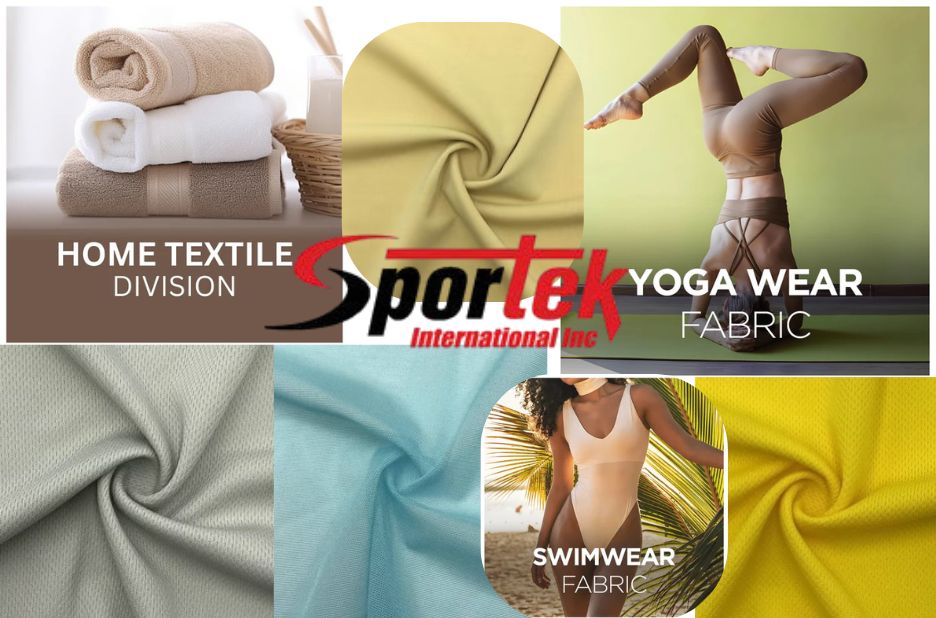
Overview of dye sublimation textiles
Dye sublimation textiles offer a versatile method for transferring vibrant designs onto fabric by using heat to turn solid dyes into a gas that bonds with polyester fibres. This process ensures crisp images and durable colours that resist cracking and fading through repeated washings. For manufacturers, understanding the dye sublimation textiles material requirements is key, from fabric weave to ink formulation, to optimise colour fidelity and fabric hand. With the right setup, printers can achieve high-resolution patterns suitable for sportswear, banners, and customised merchandise while maintaining comfortable, soft textures for end users.
Choosing the right base material
Selecting the appropriate base material is essential when applying dye sublimation textiles. Polyester-rich fabrics respond best to heat transfer, yielding strong colour retention and vivid tones. Poly tricot, in particular, provides a smooth surface with excellent elasticity, making it a popular choice for performance poly tricot apparel. The fabric’s structure supports consistent ink transfer while preserving breathability and drape, which are crucial for comfort during physical activity in sports or outdoor use. Compatibility with adhesives and backing can further influence print quality.
Colour management and workflow
Managing colour in dye sublimation printing hinges on calibrated profiles, printer settings, and ink chemistry. Accurate colour matching reduces waste and ensures repeatable results across batches. A well-structured workflow includes fabric pre-treatment, heat press parameters, and post-processing checks to verify alignment and colour saturation. Regular maintenance of print heads and inks helps prevent clogs and colour shifts, ensuring that intricate graphics remain sharp on the chosen textile substrate and that overall production stays efficient.
Applications and sustainability considerations
Beyond aesthetics, dye sublimation textiles are widely used for athletic uniforms, customised teamwear, and promotional apparel due to their durability and light-fastness. The technology enables bold branding on complex shapes and curved surfaces that traditional screen printing struggles to cover. When evaluating sustainability, consider the lifecycle impact of polyester substrates and the efficiency of ink consumption. Recyclability varies with fabric blends, and manufacturers are increasingly exploring low-waste workflows to minimise environmental footprint while delivering high-impact visuals.
Conclusion
For brands seeking reliable, high-quality prints on performance fabrics, dye sublimation textiles offer a compelling combination of durability, colour integrity, and design flexibility. By selecting the right base materials, such as poly tricot, and establishing a careful colour-managed workflow, you can maximise print consistency and fabric performance. sportek
