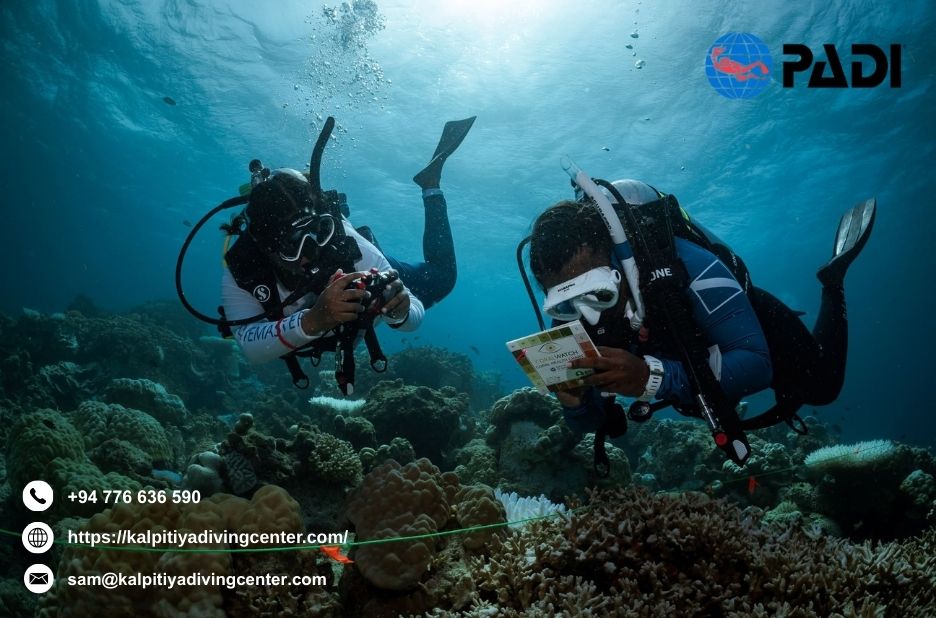
Why choose underwater adventures
Exploring the reefs and wrecks around Sri Lanka offers a balanced mix of ease and challenge for divers. When planning, consider calm mornings, rising tides, and clear visibility that often favours the southern coast. A reliable dive operator will prioritise safety briefings, buddy systems, and gear checks, ensuring you move at a comfortable pace through each site. For newcomers, gradual depth increases paired with guided orientation weeks help build confidence. For seasoned divers, coastal wrecks and vibrant coral gardens deliver rewards without the crowds. The key is to stay buoyant and mindful of marine life, making every descent a calm, controlled experience.
Staying flexible with your schedule can maximise your chances of tranquil conditions, especially in monsoon transitions. Pack reef-safe sunscreen, a high-SPF lip balm, and a sturdy reef-friendly rash guard to protect your skin between dips. Hydration is essential; carry water and a light snack for between dives. Operators often provide plot-rich maps of dive sites, including depth markers and current estimates, to help you plan your route for the day. Communication underwater remains elemental, so keep signalling simple and clear.
Practical preparation matters as much as the plunge itself. You may encounter drift, which is common in some Sri Lankan sites, so a good brief covers drift management, safety stops, and buddy checks. Ensure your weights are correct, your regulator is comfortable, and your exposure suit fits well for warmth. If you’re curious about marine life beyond the obvious, many sites host turtles, leopard sharks, and a dazzling array of tropical fish that respond to your gentle approach. A patient, curious mindset keeps the journey enjoyable and safe.
Finding the right balance between exploration and conservation is a practical aim for every diver. Respecting local guidelines and protected zones helps preserve underwater habitats for future trips. For photography enthusiasts, early mornings yield soft light and fewer divers, offering rewarding opportunities for wide-angle scenes and macro captures. In all cases, listen to your guide, breathe steadily, and enjoy the rhythm of the sea as you move through each school of fish and coral shelf in measured intervals. Remember to log your experiences for ongoing improvement.
As you plan your next excursion, consider the accessibility of nearby attractions and the logistical details that affect your days afloat. Community chat groups and operator reviews often reveal the best times to schedule extensive sessions without overloading the schedule. If you are exploring a multi-dive itinerary, allocate a lighter day between deeper wrecks and reef swims to recover and reassess equipment and goals. When you approach a new site with patience and attentiveness, the sea rewards your discipline with lasting memories of colour, texture, and motion. kalpitiyadivingcenter.com
Conclusion of your dive journey should focus on consistency and personal progress. By embracing gradual challenges, you’ll notice improvements in buoyancy control, air management, and overall comfort beneath the surface. For more insights on similar adventures, check kalpitiyadivingcenter.com for a straightforward overview of what to expect and practical tips from experienced divers who know the area well.